This Children’s Mental Health Week, our experienced Clinical Psychologist, Dr Ali Rendu, who specialises in children, young people, and families, reflects on why early emotional support matters, the challenges young people face today, and how parents can help build resilience. Drawing on over 20 years of NHS and private practice experience, she offers compassionate insight and practical guidance for families navigating difficult moments.
Why Children’s Mental Health Week Matters
Children’s Mental Health Week is a chance to pause and really think about how our children are feeling. In my work, I often see just how many pressures children and young people face—school expectations, friendships, social media, and family stress. These pressures can feel overwhelming, and many children don’t yet have the words or confidence to say how they’re feeling.
This week is a reminder that small, simple steps can make a big difference. Taking the time to notice, listen, and support our children’s emotional wellbeing helps them feel safe, understood, and resilient. Even little changes at home or at school can have a lasting impact.
The Challenges Children Face Today
Children and young people experience mental health challenges differently depending on their age and stage of development. During Children’s Mental Health Week, it’s worth thinking about what difficulties might be affecting your child—and how you might support them.
Infants & Young Children
- Feeding or sleep issues
- Toilet training struggles
- Behavioural challenges
- Anxiety, fears, or panic
- Obsessive-compulsive behaviours
- Low mood or irritability
Adolescents (13–25)
- Anxiety, panic, OCD, or health worries
- Low self-esteem
- Depression or low mood
- Trauma or post-traumatic stress
- School-related stress or pressure
- Anger or conduct difficulties
Adolescence is a time of rapid change—emotionally, socially, and cognitively. Some young people prefer to be seen alone, while others benefit from having a parent involved. My approach is always flexible, depending on what will best support the young person and their family.
Parenting and Children’s Mental Health Week
Parenting can be really challenging, and it’s normal to wonder if you’re doing the right thing. Children’s Mental Health Week is a great reminder to pause and focus on the parent-child relationship. Even small, consistent strategies can make a huge difference to a child’s wellbeing.
Through my work in CAMHS and private practice, I’ve seen how helping parents feel confident and connected can transform family life. Parenting support can include:
- Practical behaviour strategies suited to your child’s age
- Family or systemic sessions
- Observations at home or video feedback
- Coaching around boundaries, consistency, and emotional support
It doesn’t have to be complicated. Sometimes just doing a few things well, consistently, can have the biggest impact.
Starting with a Collaborative Assessment
Children’s Mental Health Week is also a good time to consider seeking professional help if your child is struggling. Every journey starts with a collaborative assessment. I usually meet with both the child and their parent or carer for around an hour to understand the challenges, developmental stage, family context, and strengths we can build on.
After this, we work together to plan the best approach. This might include:
- Individual therapy
- Parent support
- Family sessions
- Or a combination of these
By working together, we can support children to develop coping skills and emotional resilience, helping them navigate challenges more confidently.
Making the Most of Children’s Mental Health Week
This week is a perfect opportunity to slow down and reconnect. A few simple ways to support your child’s mental health include:
- Observe behaviour with curiosity rather than criticism
- Create gentle opportunities to talk about feelings
- Model healthy self-care and emotional awareness
- Stay connected with school or other key adults
- Reach out for help early if worries grow
The main message I share with families is this: you don’t have to navigate these challenges alone. Taking small, thoughtful steps now can create lasting positive change.
If You’re Concerned About Your Child
If you feel your child or teenager might benefit from additional support, I’m happy to discuss whether an initial assessment could help. You can find more information about my background, qualifications, and approach on my website, and you’re welcome to contact me by phone or email to explore the next steps together.











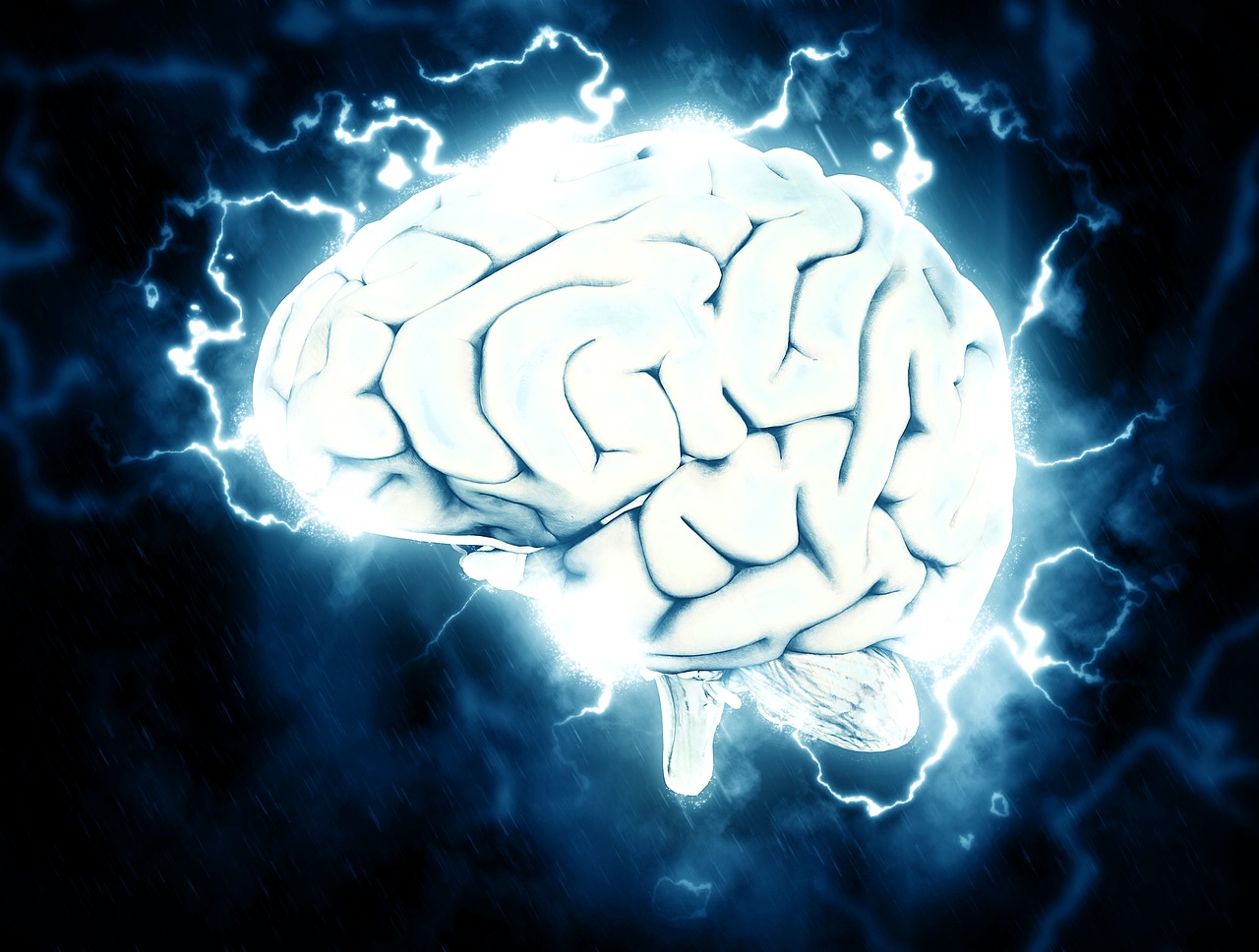

 animal studies, these effects were also linked to compromised emotional and functional skills. The brain of a 15-17 year old, when compared to that of an early adolescent, and adult, is much more vulnerable to stress. Children and adolescents can experience many chronic sources of pressure, such as: social media, parental expectations, peer pressure and exams. In a recent survey of 1,000 schoolchildren, 61% of the respondents said teachers managed stress well, 29% said children and 10% said parents.

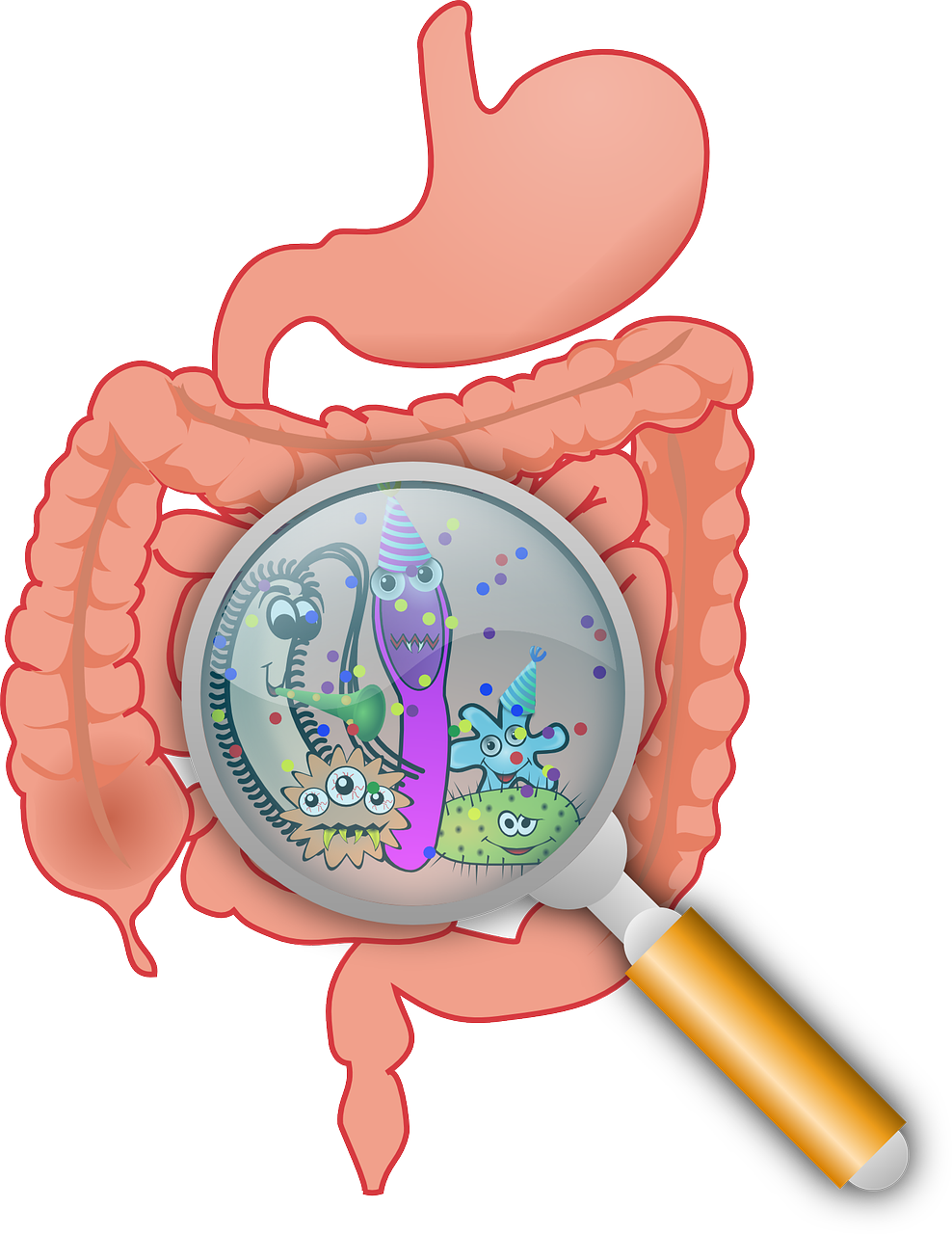
 genes than our genome! These microorganisms have evolved to have a symobiotic (win-win) relationship with the human body over millenia: We provide them with a place to live, and they help us with a host of functions. These symbiotic microorganisms, chiefly bacteria, are also known as probiotics.
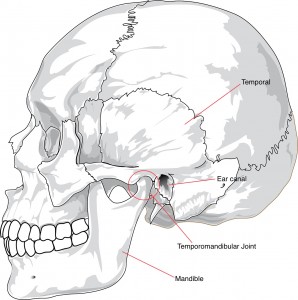 The Temporomandibular joint (TMJ) is where the mandible (lower jaw), meets the temporal parts of the skull. The TMJ has an articular disc between the two joint surfaces and behind that is the retrodiscal tissue, which is covered in nerves and blood vessels. The TMJ also has many small muscles to allow for its complicated movements of chewing (mastication), speech, yawning and swallowing.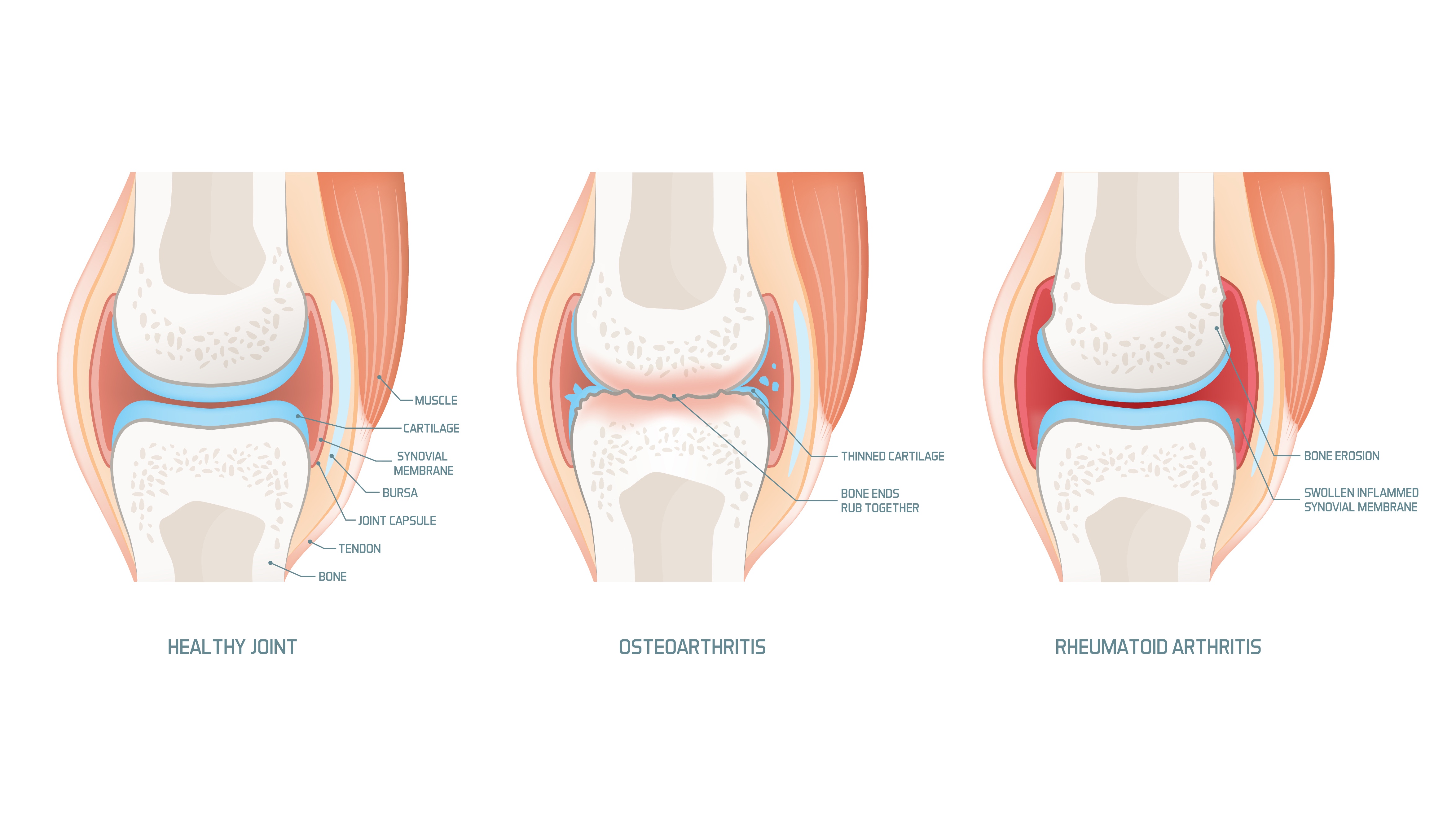

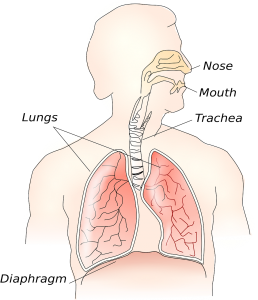 s do this on average 20000 times a day! We have different types of breathing for different activities, such as forced breathing which happens when we sing, exercise or are panicked. When our breathing is forced, we engage other muscles located in the neck and shoulders to breathe in and abdominal muscles to breathe out. These are called the Accessory Muscles of respiration. Both relaxed and forced breathing are regulated by our autonomic nervous system which means we generally don’t think twice about our breathing pattern. However, did you know that most of us only use a third of our breathing capacity? This means our bodies aren’t functioning at their full potential. You may notice signs such as holding your breath for no reason and feeling the need to take a deep breath often.

 Core stability is also very important when skiing as maintaining good control of your movements and your form are key to preventing accidents on the slopes as well as helping to improve your technique. Using a wobble board for a few minutes
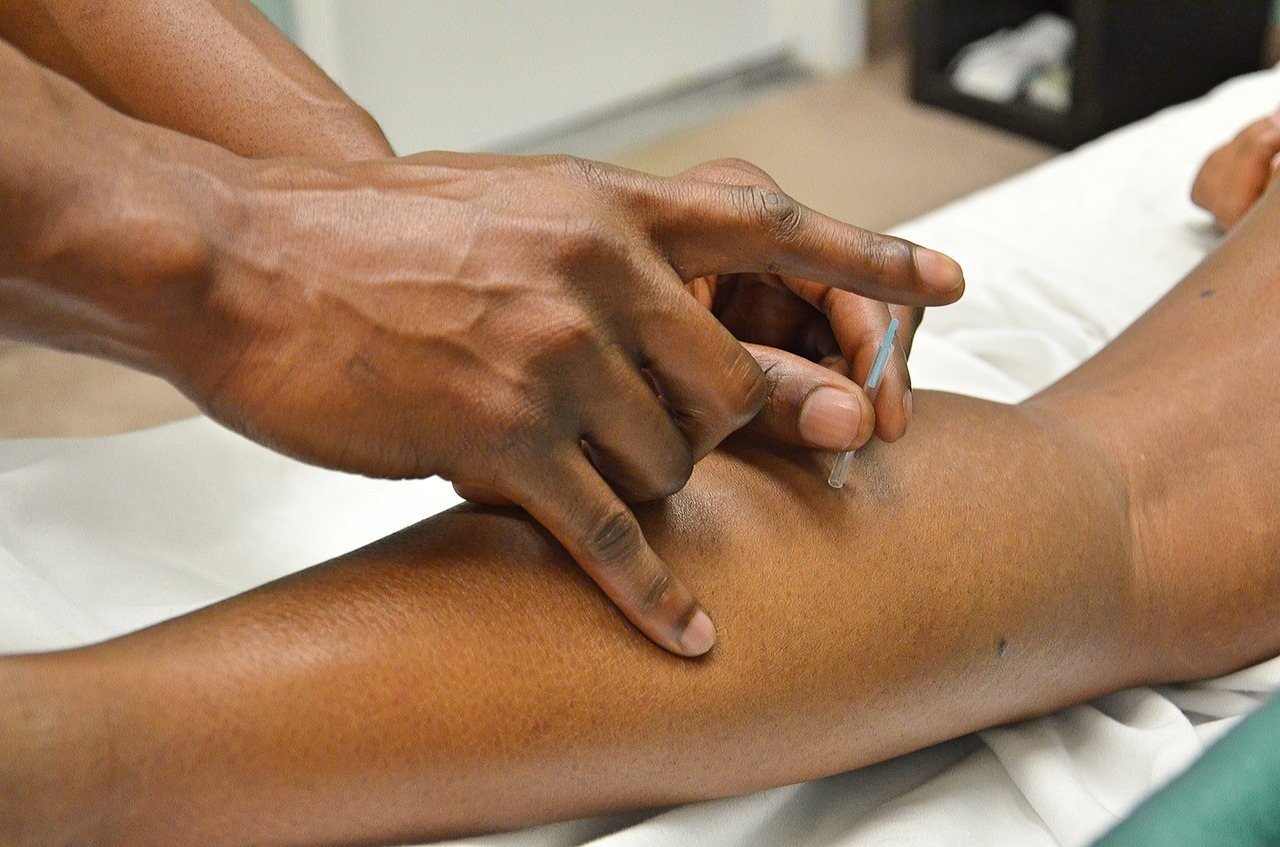
 The third Monday of January has been given the title of Blue Monday as it is (supposedly) the most depressing day of the year! With the cold nights, short days and post Christmas-blues, it’s easy to see why we start to feel a little low. It’s also the time where a lot of people are starting to fail in their New Years resolutions and feeling low motivation levels. However, the team at the Vale Practice are on hand to help! Did you know that recent studies have found that acupuncture can have a strong positive effect on patients suffering with depression and stress. It’s been found that acupuncture is effective in lowering activity in our HPA axis (Hypothalamus Pituitary Adrenaline) which gives the fight or flight response- our physical and psychological reaction to stress.